
Presented by: Dr Reeta Agrawal

- Introduction: Stress and Infertility
Stress is your body’s response to anything that requires attention or action. Stress can hamper fertility. 1 in every 4 couple in the reproductive age in India struggle with infertility. More and more young Indians are finding it hard to conceive. At least 10-15% of married couples are experiencing fertility issues. There is a silent struggle of infertility among many couples who are struggling to conceive, and they report feelings of depression, anxiety, isolation, and loss of control. The inability to reproduce naturally can cause feelings of shame, guilt, and low self-esteem. These negative feelings may lead to varying degrees of depression, anxiety, distress, and a poor quality of life. Stress and anxiety can be triggers for hormonal imbalances and decline in fertility. The medications used to treat infertility, including clomiphene, leuprolide, and gonadotropins, are associated with psychological symptoms such as anxiety, depression, and irritability. Hence it is difficult to differentiate between the psychological impact of infertility versus the side effects of the medication. 1
Stress can lead to disruption of HPG axis via disturbing the hormonal, neuronal and brain wave function pathways.
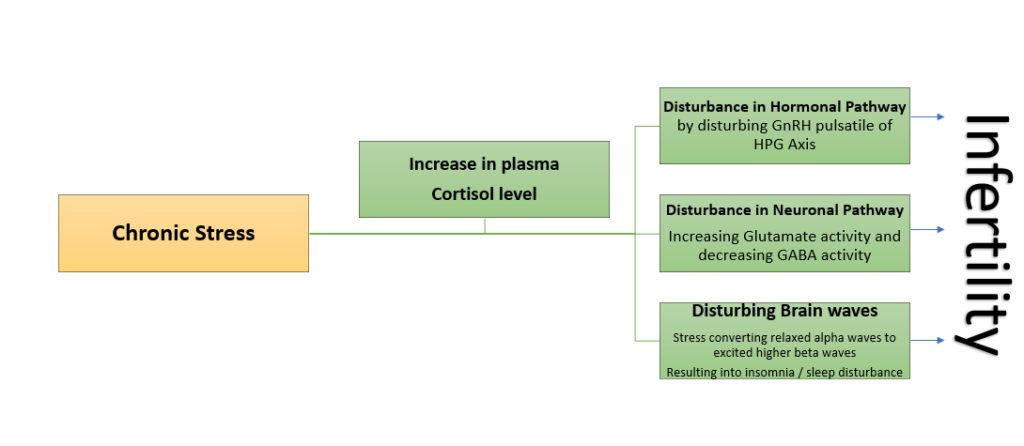
Figure 1: Chronic Stress and Infertility
Nowadays, there is only psychological interventions like cognitive behaviour therapy in lowering psychological distress, it might be helpful to supress acute stress but there is need of some treatment which may be helpful in treating chronic stress that the couples are going throughout the whole phase of ART Treatment. There is a much need of an impactful pharmacotherapy solution for these couples who are undergoing lot of stress due to infertility issue which may also leads to failure in their ART Treatment. No gynaecologist will prefer benzodiazepines as a pharmacological intervention for treatment of chronic stress for their patients due to hazardous impact. Hence, there is a need of ideal solution which can act and regulate on the above disturbed pathway without causing any side effects, sedation, addiction, withdrawal effect.
- Alpha-casozepine 2
α-casozepine is a bioactive decapeptide originating from a S1 casein, α protein in cow’s milk, which has an affinity for gamma-aminobutyric acid (GABA) receptors in the brain. It is derived from bovine milk as milk protein hydrolysate and It is also known as Lactium. It is an ingredient of natural origin as it is made from milk. Unlike benzodiazepines, it does not create any addiction, even at a high dosage. It therefore acts effectively and naturally.
In baby, from birth to 3 months, pepsin secretion rises progressively, but remains well below adult levels. The lower pepsin secretion coupled with higher gastric pH indicates less protein is hydrolyzed by pepsin in an infant’s stomach. As the baby with partially developed digestive system have inactive pepsin, the milk protein remains unaltered and hence it gets converts to Alpha Casozepine by activated Trypsin, which hence provides relaxing effect to babies.
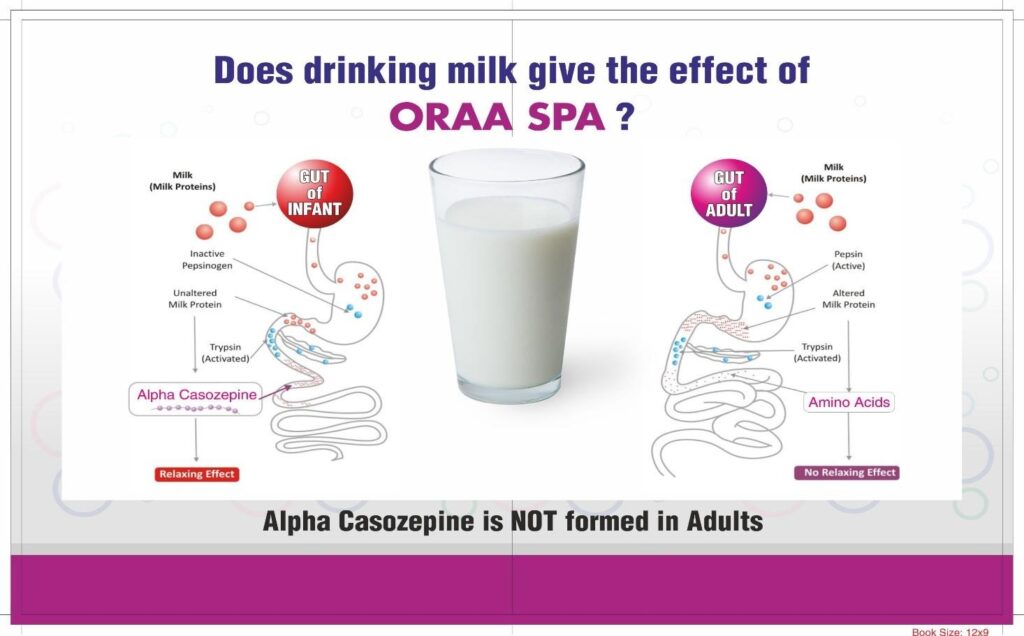
Figure 2: Formation of Alpha-casozepine in Gut of Infant
In adults, milk proteins get altered due to active pepsin enzyme in the stomach which further gets hydrolyzed into amino acids by activated trypsin enzyme so there is no formation of Alpha-Casozepine in guts of an adult and hence there is no relaxing effect.
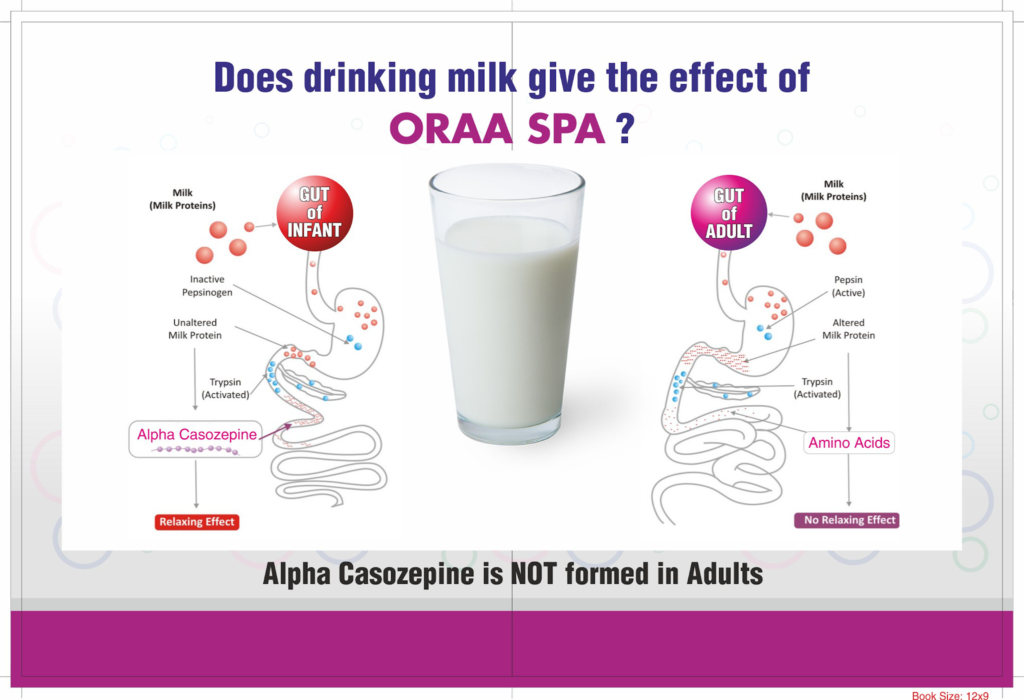
Figure 3: Absence of Alpha-casozepine in Gut of Adult
Alpha-casozepine presents no danger to health at the recommended doses. It does not have any side-effects, in terms of either habituation or sedation. Unlike benzodiazepines, which belong to the anxiolytic’s family, alpha-casozepine does not cause any addiction. Neither does it have any toxic effect on the body, even at high doses. Being natural, it is totally harmless and hypoallergenic. It contains very little lactose (<0.5%) and therefore it can be consumed easily by lactose-intolerant people. 150mg per day is the minimum recommended dose.
- Role of Alpha-casozepine in Hormonal Pathway
CRH i.e, cortisol releasing hormone which is responsible for activation of pituitary gland to release ACTH hormone that leads to increase in release of Cortisol from adrenal cortex. This increase in cortisol level impacts on GnRH pulsatile of HPG Axis. Alpha-casozepine inhibits CRH activity and hence helps in reducing the plasma cortisol level. One of the clinical studies also showed that there is 25% reduction in stress induced cortisol level within 3 hours after consumption of Alpha-casozepine. 3
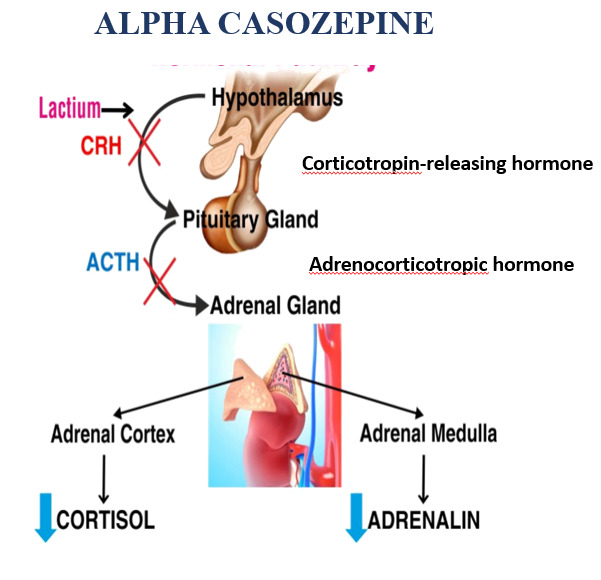
Figure 4: Role of Alpha-casozepine in Hormonal Pathway
The vital role of Alpha-casozepine is to reduce the stress induced cortisol levels. This leads to regulation of GnRH pulsatile of HPG axis. Hence it helps in normalization of LH and FSH ratio in both male and female. In male, there will be normalization of testosterone production and spermatogenesis process. While in female, there will be normalization of estrogen production as well as progesterone production, hence improving oocyte quality. Thus, Alpha-casozepine helps in improving fertility outcomes for both the couple.
- Role of Alpha-casozepine in Neuronal Pathway 4,5
The properties of alpha-casozepine are like those of the benzodiazepine family of drugs, except for such concomitant side effects of these drugs as addiction or sedation. Therefore, today alpha-casozepine has been increasingly used as a dietary supplement to improve sleep and to relieve stress. The anxiolytic effects of alpha-casozepine have been confirmed in many experimental models over the past 20 years.
It has been found that alpha-casozepine affects sleep by modulating its architecture but has almost no sedative effect.
The effect of alpha-casozepine on sleep is associated with GABA receptors. It was found that with transport of the peptide across the blood-brain barrier, the C-terminal residue of tryptophan, a precursor of serotonin, is released, which is an important neurotransmitter in the regulation of mood and satiety. Direct modulation of GABA receptors by alpha-casozepin, including in the neurons of the hypothalamus, has been proven. Alpha-casozepine has a positive effect on both physical and psychological symptoms of anxiety. The use of alpha-casozepine promotes faster recovery after a stress response, which is manifested by lower blood pressure and heart rate during the relaxation period (after stress) compared with the rest period (before stress induction).
Anxiolytic peptides derived from milk are promising for use in a wide range of functional disorders of the nervous system, sleep disorders, anxiety, and stress.
Thus, Alpha-casozepine can be helpful in maintaining the balance of hormonal pathway by supressing stress hormone cortisol and maintain GnRH pulsatile which is an important factor for maintenance of HPG axis and hence can be helpful in infertility treatment in both male and female. It can regulate the neuronal pathway as it can selectively binds to ω2 GABA receptor and improves the GABA activity and giving no sedation like benzodiazepines as it does not bind to ω1 GABA receptor. As it also has effect on sleep via GABA receptors, hence it also regulates brain waves activity. Hence, Alpha-casozepine overall by decreasing chronic stress can help in infertility related issues.
To summarize, Stress can cause infertility and have a negative outcome with IVF. Infertility treatment further causes stress. All couples must undergo counselling, must receive safe and effective treatment for stress. IVF specialists do not prefer pharmacotherapy. Alpha-casozepine is safe with proven efficacy to reduce stress. Hence, IVF protocol must include and begin with anti-stress/ anti-anxiety treatment in couples.
Alpha-casozepine
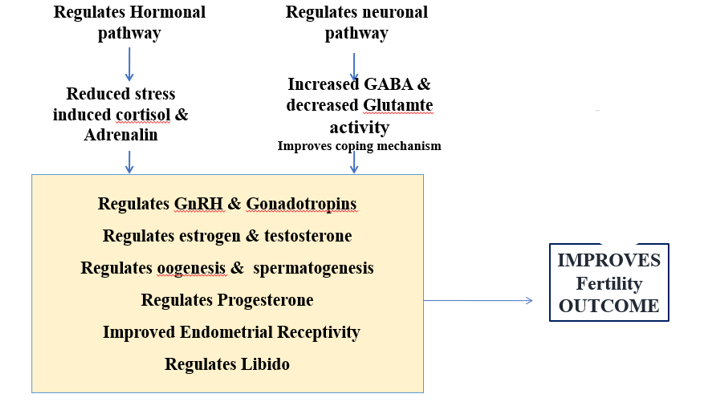
Figure 5: Summary – Role of Alpha-casozepine in treatment of stress and infertility
References:
- Rooney K, Domar A et. al, the relationship between stress and infertility, Dialogues in Clinical Neuroscience, Pages 41-47, Volume 20, 2018 – Issue 1, Published online: 01 Apr 2022, https://doi.org/10.31887/DCNS.2018.20.1/klrooney
- Agunod M, Yamaguch N, Lopez R, Luhby AL, Glass GBJ, Correlative study of hydrochloric acid, pepsin, and intrinsic factor secretion in newborns and infants. Am. J. Dig. Dis. 1969, 14, 400–414.
- Thiagarajah K, Chee HP, Sit NW. Effect of Alpha-S1-Casein Tryptic Hydrolysate and L-Theanine on Poor Sleep Quality: A Double Blind, Randomized Placebo-Controlled Crossover Trial. Nutrients. 2022;14(3):652. Published 2022 Feb 3. doi:10.3390/nu14030652
- Marushko YuV, Hyshchak TV. (2021). Use of alpha-casozepine (Lactium®) and vitamin B6 in clinical practice (literature review). Modern Pediatrics. Ukraine. 3(115): 96-102. doi 10.15574/SP.2021.115.96, Article received: Jan 14, 2021. Accepted for publication: Apr 20, 2021.
- Yayeh, T., Leem, Y. H., Kim, K. M., Jung, J. C., Schwarz, J., Oh, K. W., & Oh, S. (2018). Administration of Alphas1-Casein Hydrolysate Increases Sleep and Modulates GABAA Receptor Subunit Expression. Biomolecules & therapeutics, 26(3), 268–273. https://doi.org/10.4062/biomolther.2017.083