

Dr. Deepa Thangamani
MD OG, DNB OG, MRCOG, FRCOG.,
Consultant Apollo First med hospitals, Chennai. Consultant Thamarai Fertility Solutions Exclusives, Chennai.
The Menopause – Short Term & Long-Term Effects
The menopause is the stage in a woman’s life when her ovaries stop producing eggs. This leads to a gradual decrease in levels of hormones oestrogen and progesterone, which in turn leads to the gradual disappearance of monthly periods. The fall in hormone levels can trigger a range of symptoms, although each woman’s experience can be different. The process of the menopause can take several years. A woman is said to be postmenopausal when she has had no period for one year.
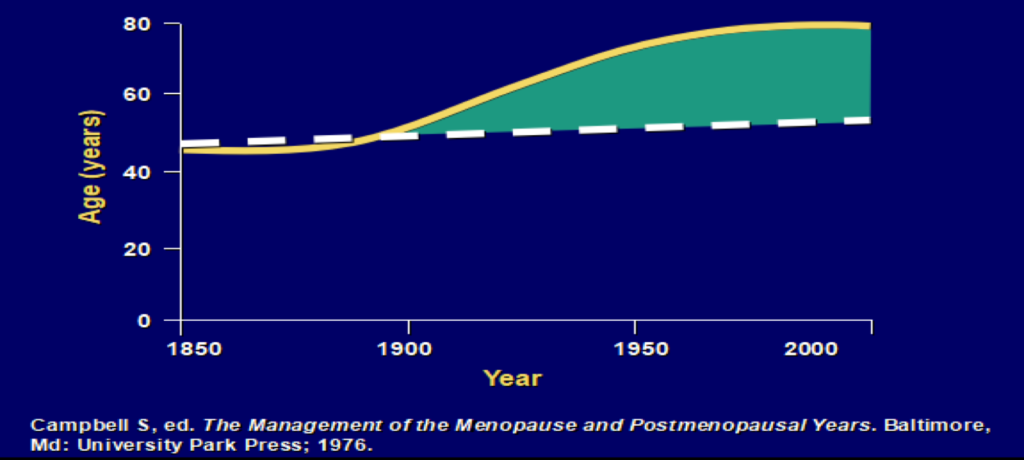
The average age at which women in the UK start the menopause is 51, and for most women it happens between the ages of 45 and 55.
To prevent pregnancy, it is recommended that contraception is continued for one year after the last period if this occurs after 50 years of age, and

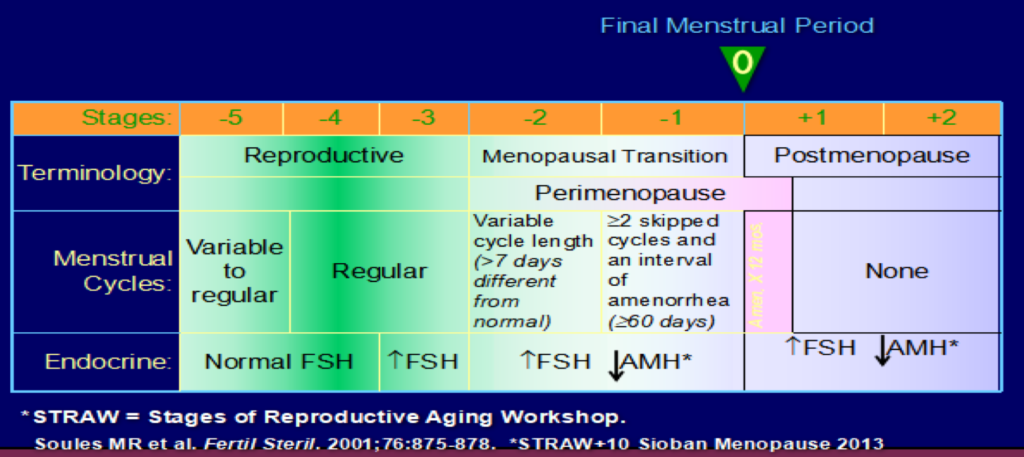
Two years if periods end before 50 years of age Menopause – Short-Term Effects
Irregular Periods
The most common early sign is irregular or fluctuating periods. This can involve longer than normal cycles and missed periods.
Hot Flushes/Night Sweats
Three out of four women have hot flushes and night sweats during their menopause. They usually start as a feeling of pressure in the head, followed by a wave of heat passing over the body.
Vaginal Dryness
Most women experience vaginal dryness during the menopause. This is because the vaginal tissue becomes thinner as a result of lower oestrogen levels. (See Atrophic Vaginitis leaflet).
Aches and Pains
Joints may start to feel stiffer, painful or weak.
Skin and Hair Changes
Skin can become dryer and hair brittle.
Sleep Disturbance
Altered sleep patterns can be a problem.
Mood, Confidence and Concentration Changes
Lack of concentration and clear thinking can affect some women. Psychological changes, including irritability, tearfulness and mild depression are also common. It is understandable to feel a wide range of emotions during this time of major change.
Loss of Sex Drive
A loss of interest in sex can be caused by some of the emotional and physical symptoms of the menopause.
Stress Incontinence
Lack of oestrogen causes the lining of the bladder to become thinner, which may make it harder to control the passing of urine. Passing urine more often or noticing small ‘leaks’ when coughing or sneezing are also common. Urine infections can also occur.
Menopause – Long-Term Effects
Even though the short-term symptoms appear more unpleasant, it is the long-term symptoms of oestrogen deficiency that can cause the more serious health problems.
When a woman reaches the menopause, her risk of developing Heart Disease and Osteoporosis increases as a direct result of the decrease in oestrogen:
Heart Disease
Cardiovascular disease is the most common cause of death in western women. Before the menopause, fewer women suffer from the condition than men, but, from the menopause onwards, incidence increases. The role of oestrogen in protecting the heart and blood vessels is very important; the body’s own oestrogen prior to the menopause is understood to have a positive effect on cholesterol levels and general body fat distribution.
Osteoporosis
Osteoporosis is a condition of the bones, where a gradual thinning of the bone causes them to become brittle and fragile, leading to a stooping posture, backache and an increased risk of fractures. Lack of oestrogen is partly responsible for Osteoporosis.
Managing Symptoms
- Avoid caffeine and reduce alcohol to improve sleeping and flushes.
- Wear loose layers of clothing and consider swapping duvet for blankets to help cope with flushes, sweats and chills.
- Cut down or ideally stop smoking.
- Eat a balanced diet, rich in Calcium, Magnesium and Vitamin D to protect bones, and Omega 3 for heart health.
- Keeping weight in health BMI range will reduce menopause flushes and protect against many cancers – in particular breast cancer.
- Regular exercise will improve mood. Weight bearing exercise helps keep bones strong.
- Relaxation/mindlessness/meditation will reduce menopause symptoms and improve general wellbeing.
Cognitive Behaviour Therapy (CBT) can relieve low mood, anxiety and flushes.