
PCOS vs PCOD: Understanding Two Common Yet Distinct Hormonal Disorders
In clinical practice, one of the most common misconceptions surrounding women’s hormonal health is the assumption that PCOS and PCOD are the same condition. The terms are often used interchangeably, sometimes even during informal medical discussions, leading to considerable confusion among patients.
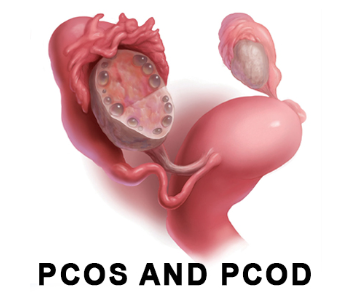
While both disorders involve the ovaries and share certain overlapping symptoms such as irregular menstrual cycles, acne, weight changes, and fertility-related concerns, they are not identical entities. Their pathophysiology, metabolic impact, severity, and long-term health implications differ significantly.
Understanding these differences is essential not only for accurate diagnosis, but also for creating a treatment approach that is realistic, individualized, and sustainable.
Over the last decade, there has been a noticeable rise in the number of young women presenting with menstrual irregularities and hormonal disturbances, particularly in urban populations. Sedentary lifestyles, chronic stress, altered sleep patterns, increasing insulin resistance, and nutritional imbalance appear to be contributing factors. However, despite the growing awareness around hormonal disorders, many women still receive fragmented or oversimplified information regarding these conditions.
A clearer understanding of PCOS and PCOD allows women to seek timely intervention, reduce long-term metabolic complications, and make informed decisions regarding reproductive and overall health.
First, Let’s Understand the Ovary
The ovaries are far more than reproductive organs. They are dynamic hormone-producing structures that influence menstrual cycles, ovulation, metabolism, skin health, mood, and even cardiovascular health.
Every month, the ovaries prepare follicles containing immature eggs. Normally, one dominant follicle matures and releases an egg during ovulation. This process is orchestrated by a delicate hormonal balance involving estrogen, progesterone, insulin, and androgens.
When this balance is disturbed, the ovaries may stop functioning efficiently, leading to conditions like PCOD and PCOS.
What is PCOD?
PCOD, or Polycystic Ovarian Disease, is considered a condition in which the ovaries begin producing multiple immature or partially mature eggs. Over time, these immature follicles accumulate within the ovaries, often causing them to enlarge.
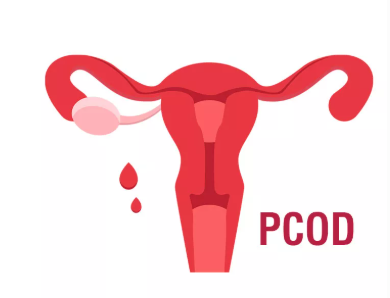
Women with PCOD commonly experience irregular ovulation, delayed menstrual cycles, weight fluctuations, acne, and mild hormonal imbalance.
One of the important things to understand is that PCOD is largely influenced by lifestyle and metabolic factors. Poor sleep, stress, processed food intake, lack of physical activity, obesity, and insulin resistance can all contribute to its development.
In many women, PCOD can be effectively managed through dietary correction, exercise, stress management, and hormonal regulation.
Common Features of PCOD
- Irregular periods
- Delayed cycles
- Weight gain
- Acne or oily skin
- Mild hair thinning
- Difficulty losing weight
- Occasional fertility concerns
Unlike PCOS, ovulation may still occur intermittently in PCOD, which is why many women with PCOD can conceive naturally with proper lifestyle modification.
What is PCOS?
PCOS, or Polycystic Ovary Syndrome, is a more complex endocrine and metabolic disorder.
Rather than being only an ovarian issue, PCOS affects the entire hormonal network of the body.
Women with PCOS often have elevated androgen levels—commonly referred to as male hormones—which interfere with ovulation. The follicles begin to develop but fail to mature completely, leading to the characteristic “polycystic” appearance seen on ultrasound.
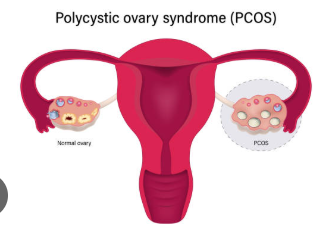
However, PCOS is not simply about cysts.
It is deeply linked to insulin resistance, inflammation, metabolic dysfunction, and hormonal dysregulation.
This is why women with PCOS may experience symptoms extending far beyond the reproductive system.
Common Features of PCOS
- Irregular or absent periods
- Difficulty conceiving
- Excess facial or body hair
- Persistent acne
- Weight gain around the abdomen
- Hair thinning or male-pattern hair loss
- Darkening of skin around the neck or underarms
- Insulin resistance
- Mood disturbances
PCOS is also associated with increased long-term risks such as:
- Type 2 diabetes
- High cholesterol
- Hypertension
- Fatty liver disease
- Sleep disturbances
- Cardiovascular disease
Because PCOS is a syndrome, its presentation varies from woman to woman. Some may struggle mainly with irregular cycles, while others experience severe metabolic or fertility-related challenges.
PCOS vs PCOD: The Real Difference
Although the names sound similar, PCOD and PCOS differ in severity, hormonal involvement, and systemic impact.
| Feature | PCOD | PCOS |
| Nature | Ovarian disorder | Endocrine & metabolic syndrome |
| Severity | Usually, milder | Often more complex |
| Ovulation | May still occur | Frequently disrupted |
| Hormonal imbalance | Comparatively mild | Significant androgen excess |
| Lifestyle influence | Strongly lifestyle-related | Lifestyle + genetic + metabolic |
| Fertility impact | Usually, manageable | Can significantly affect fertility |
| Long-term health risks | Lower | Higher metabolic risk |
| Management | Lifestyle-focused | Multidisciplinary approach |
Why Are These Conditions Becoming More Common?
Modern lifestyles have dramatically altered hormonal health.
Sedentary routines, chronic stress, poor sleep quality, ultra-processed foods, disrupted circadian rhythm, environmental toxins, and increasing insulin resistance are contributing to a noticeable rise in both PCOD and PCOS.
Interestingly, many young women today begin experiencing symptoms during adolescence itself.
Irregular periods are often dismissed as “normal hormonal changes” in teenage years, delaying diagnosis and intervention.
Early awareness matters.
The earlier these conditions are identified, the better the outcomes—especially regarding metabolic health and fertility.
The Role of Insulin Resistance
One of the most overlooked aspects of PCOS is insulin resistance.
Insulin is the hormone responsible for regulating blood sugar. When the body becomes resistant to insulin, the pancreas compensates by producing more of it.
High insulin levels stimulate the ovaries to produce excess androgens, which in turn disrupt ovulation.
This creates a cycle:
Insulin resistance → Hormonal imbalance → Irregular ovulation → Worsening metabolic dysfunction.
This is why many women with PCOS struggle with stubborn weight gain and difficulty losing abdominal fat despite significant effort.
Can Women with PCOS or PCOD Become Pregnant?
Absolutely.
A diagnosis of PCOS or PCOD does not mean infertility.
Many women conceive naturally after improving lifestyle habits and regulating hormonal health. Others may require medical assistance such as ovulation induction or fertility support.
The key is early management and individualized treatment.
Fertility outcomes are often significantly better when metabolic health, sleep, stress, nutrition, and weight management are addressed holistically.
Management: Beyond Medication
One of the biggest misconceptions is that treatment begins and ends with tablets.
While medications certainly have a role, long-term management requires a broader approach.
Lifestyle Modification
This remains the foundation for both PCOD and PCOS.
Nutrition
A balanced diet rich in:
- Protein
- Fiber
- Whole grains
- Healthy fats
- Fresh fruits and vegetables
can improve insulin sensitivity and hormonal regulation.
Reducing excessive sugar intake and processed foods is equally important.
Physical Activity
Regular exercise helps improve:
- Insulin sensitivity
- Ovulation
- Weight management
- Mood
- Energy levels
Even moderate movement done consistently can produce meaningful hormonal improvements.
Sleep and Circadian Rhythm
Poor sleep quality and irregular sleep timing can worsen hormonal imbalance.
Maintaining a healthy sleep cycle plays a surprisingly important role in endocrine function.
Stress Reduction
Chronic stress increases cortisol levels, which can indirectly aggravate hormonal disturbances.
Yoga, meditation, breathing exercises, and mindful routines may help support hormonal wellness.
When Should You Consult a Doctor?
Women should seek medical guidance if they experience:
- Irregular or absent periods
- Excessive acne or facial hair
- Sudden weight gain
- Difficulty conceiving
- Hair thinning
- Persistent fatigue
- Darkening of skin folds
A timely diagnosis can help prevent long-term complications.
A More Compassionate Conversation Around Women’s Hormonal Health
One of the most important shifts we need in healthcare is moving away from shame and silence around menstrual and hormonal disorders.
Women with PCOS or PCOD are often told to “just lose weight” or “stop stressing.” But these conditions are biologically complex and emotionally exhausting.
The physical symptoms are only one part of the story.
Many women silently struggle with:
- Body image concerns
- Anxiety
- Mood fluctuations
- Social pressure regarding fertility
- Reduced self-confidence
This is why compassionate, evidence-based, and individualized care is essential.
A Clinical Perspective on Long-Term Care
One of the most important aspects of managing both PCOS and PCOD is recognizing that these are not merely menstrual disorders. They are reflections of broader hormonal and metabolic imbalances that can influence a woman’s health across different stages of life.
Unfortunately, many women seek medical attention only when symptoms begin affecting fertility, weight, or appearance. By then, underlying insulin resistance or endocrine dysfunction may already have progressed significantly.
What is equally important is understanding that treatment should not focus solely on symptom suppression. Sustainable improvement requires a combination of medical guidance, nutritional correction, physical activity, sleep regulation, stress management, and long-term follow-up.
There is no universal treatment model for every patient.
Some women primarily struggle with irregular cycles, while others may face metabolic complications, emotional distress, or reproductive concerns. A personalized and evidence-based approach therefore remains central to effective management.
When diagnosed early and managed appropriately, both PCOS and PCOD can be controlled successfully, allowing women to maintain reproductive, metabolic, and emotional wellbeing.
Final Thoughts
PCOS and PCOD may overlap in symptoms, but they are not the same condition.
PCOD is generally considered a milder ovarian disorder often influenced by lifestyle factors, whereas PCOS is a broader endocrine and metabolic syndrome with more significant long-term implications.
The encouraging reality is that both conditions can be effectively managed with early intervention, proper medical guidance, lifestyle modification, and sustained hormonal care.
Hormonal health is not merely about periods or fertility—it reflects the overall wellbeing of the body.
And when women are educated about their bodies early, they are empowered to take charge of their long-term health with confidence.
Written By

Dr. Bharani VijayaragavanMBBS, DGO, DNB (OBG)
Consultant – Obstetrics and Gynaecology,
Motherhood Hospitals, Chennai
KKCTH, Chennai