
Fertility
-

Trying for a Baby? Understanding Fertility and When to Seek Help
Read article: Trying for a Baby? Understanding Fertility and When to Seek HelpWhen pregnancy takes longer than expected, understanding your options can make the journey easier. For many couples, planning a baby is an exciting milestone. But when months pass without a positive pregnancy test, excitement may slowly turn into confusion, worry, and disappointment. Questions begin to arise. Why is pregnancy not happening? Is something wrong? Should we see a doctor? If you are experiencing these concerns, remember that difficulties with conception are common, and medical evaluation can help identify possible causes. What Is Infertility? Infertility is generally defined as not achieving pregnancy after 12 months of regular, unprotected sexual intercourse. However,…
-

Demystifying AMH: The Science of Ovarian Reserve
Read article: Demystifying AMH: The Science of Ovarian ReserveClinical Takeaway: AMH is a powerful roadmap tool, not a fertility verdict. Pair your results with clinical ultrasound and expert guidance to personalize your family planning or fertility preservation strategy. 1. What is Anti-Müllerian Hormone (AMH)? Anti-Müllerian Hormone (AMH) is a dimeric glycoprotein secreted exclusively by the granulosa cells of primary, pre-antral, and small antral follicles (measuring 2 to 8 mm) in the ovaries. Because these growing follicles reflect the microscopic resting pool of primordial eggs, AMH serves as the premier clinical blood biomarker for assessing ovarian reserve. Unlike follicle-stimulating hormone (FSH) and estradiol, which fluctuate markedly across the phases…
-
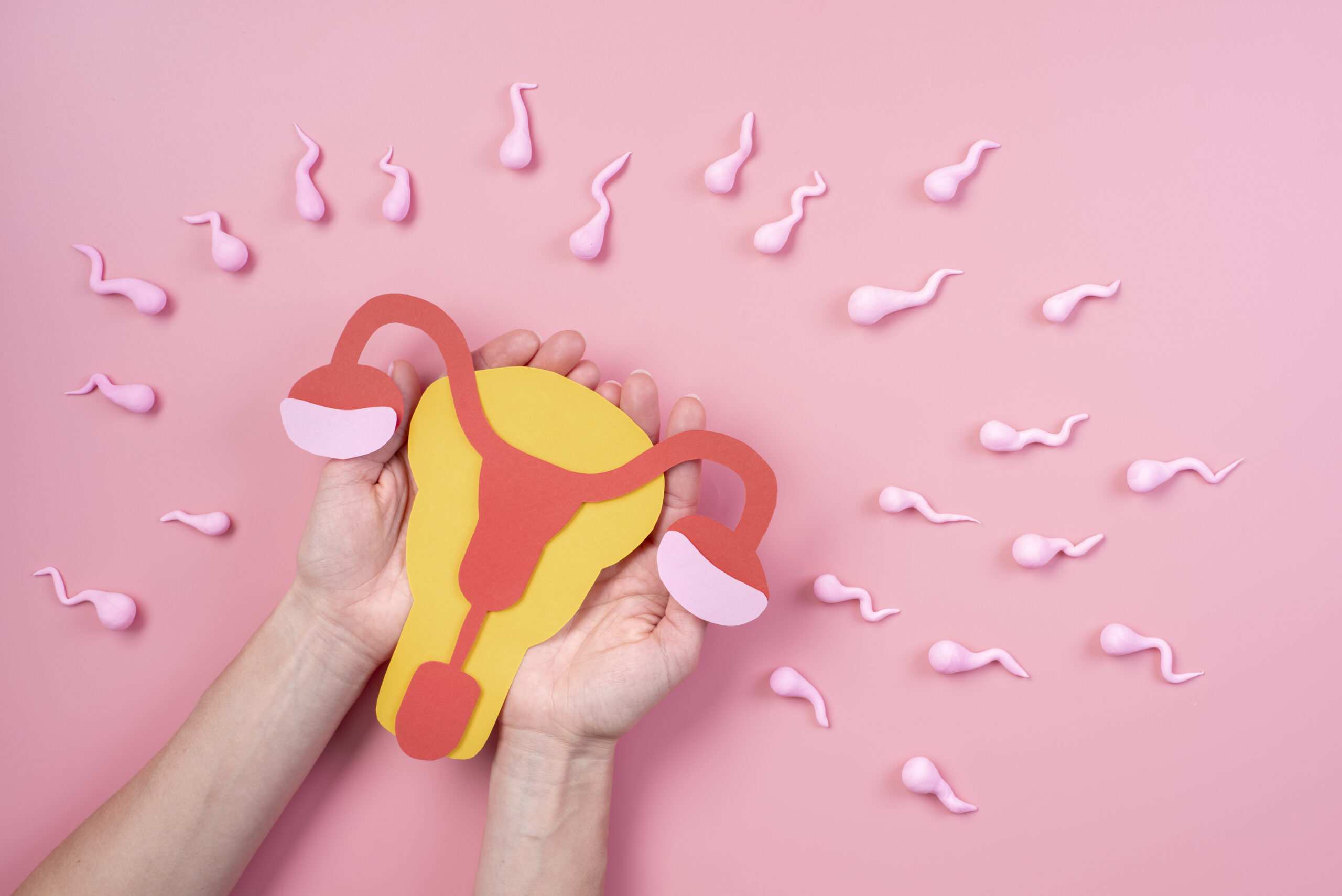
Fertility: Understanding Your Reproductive Health
Read article: Fertility: Understanding Your Reproductive HealthYour Fertility Journey Starts with Awareness Fertility is the natural ability to conceive and have a healthy pregnancy. While many couples conceive naturally, some may need a little extra support. Understanding your reproductive health is the first step toward parenthood. What Affects Fertility? Several factors can influence fertility: When Should You Consult a Fertility Specialist? Seek medical advice if you have: Early evaluation often leads to better outcomes. Improving Your Fertility Simple lifestyle changes can improve fertility: Fertility Treatment Options Modern fertility care offers several effective treatments, including: Your fertility specialist will recommend the treatment best suited to your needs.…
-

Should IVF treatment start with reducing stress?
Read article: Should IVF treatment start with reducing stress?Recently Infertility has become a major problem worldwide and the women who are struggling to conceive report feelings of depression, anxiety, and Poor Quality of life.It is estimated that 1 in 8 couples (or 12% of married women) have trouble in getting pregnant. The inability to reproduce naturally can cause feelings of shame and guilt in many couples. It is very difficult to assess the distress levels in women undergoing infertility treatment.Many studies have reported that infertile individuals have psychiatric symptoms,and their levels of anxiety and depression aresignificantly higher than in fertile controls. Stress impedes reproductive function. more distressed the…
-

Hyperprolactinemia: a concern in infertility
Read article: Hyperprolactinemia: a concern in infertilityIntroduction Prolactin is a lactogenic hormone derived from pituitary and play a significant role in a variety of reproductive functions. The hormone is synthesized and released by lactotroph cells of anterior pituitary. It is structurally like human growth hormone (HGH) and human placental lactogen (HPL)1. Prolactin molecule Prolactin is a 23 kDa polypeptide hormone (198 amino acid) synthesized in the lactotroph cells of the anterior pituitary gland. Its secretion is pulsatile and increases with sleep, stress, food ingestion, pregnancy, chest wall stimulation, and trauma. Synthesis and Release Hormone is synthesized and released by lactotroph cells of anterior pituitary. Unlike other…
-
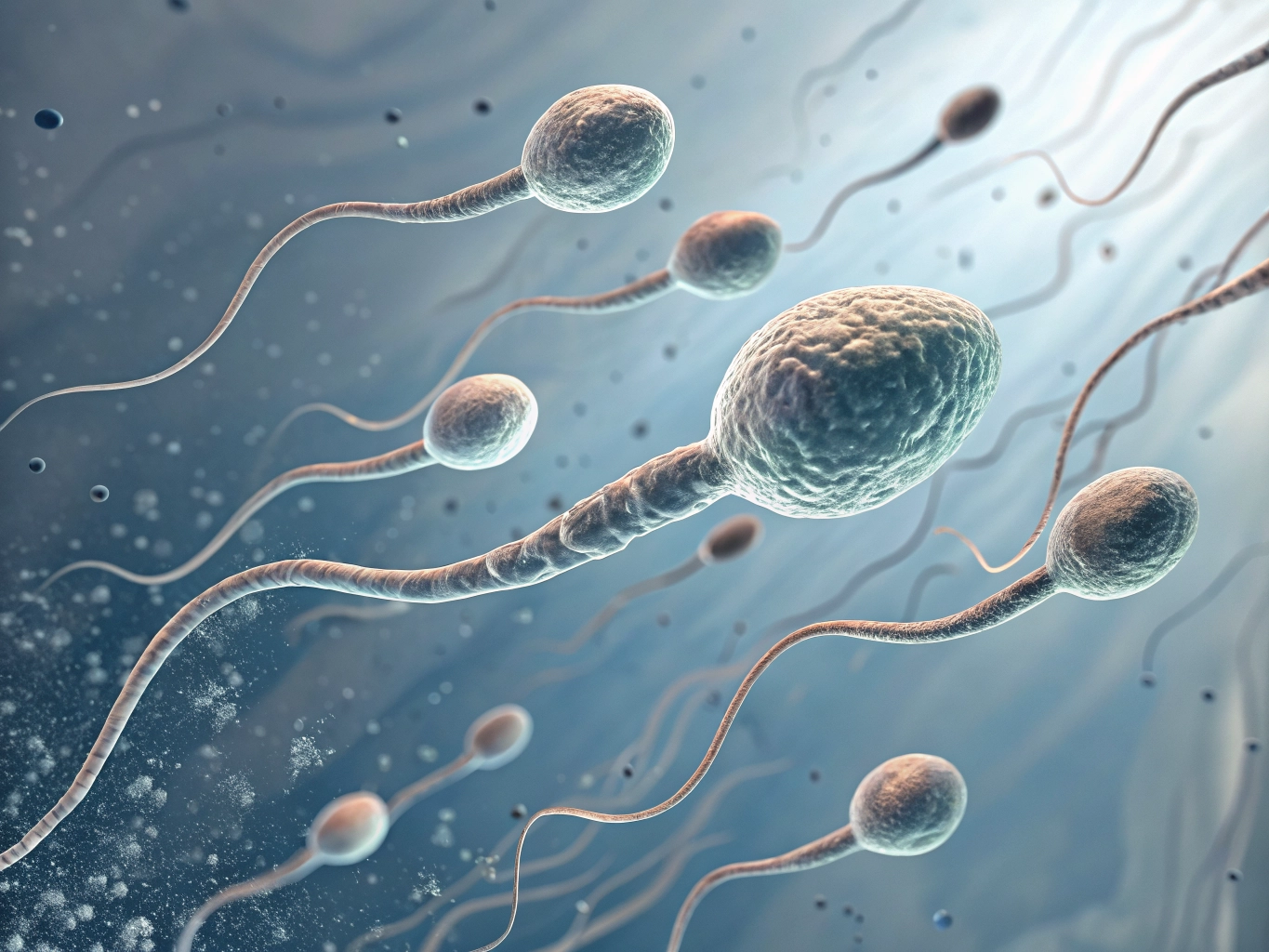
Where does sperm DNA fragmentation testing stand?
Read article: Where does sperm DNA fragmentation testing stand?Have you ever considered genetic issues with males particularly in sperm DNA when there is an unexplained infertility between couples? Yes, it is true that male infertility is a common cause of infertility in today’s age, yet it has always been sidetracked when it has come to unexplained infertility issues or unexplained miscarriages. Over 15% of married couples worldwide experience fertility problems, and 50% of these cases are caused by male factor infertility. Couples trying to start the family late in life and adverse changes in the lifestyle, have increased infertility issues and the causes of male infertility.1 The integrity…
-

Role of hysteroscopy in infertility
Read article: Role of hysteroscopy in infertilityInfertility is becoming more common, and researchers are working hard to develop and refine diagnostic and therapeutic approaches for patients. Many specialists now agree that a thorough infertility workup should include a uterine cavity examination. Hysteroscopy is the gold standard for examining the uterine cavity, and thanks to advancements in endoscopic technology, it can now be done consistently and safely in proper set up1. In comparison to other blind or indirect diagnostic procedures, having a direct view of the uterine cavity has a substantial advantage. Although hysterosalpingography (HSG) is as reliable as hysteroscopy in diagnosing normal and abnormal cavities, hysteroscopy…
-

Role Of Alpha-Casozepine ( Lactium ) on Stress and Infertility
Read article: Role Of Alpha-Casozepine ( Lactium ) on Stress and InfertilityPresented by: Dr Reeta Agrawal Stress is your body’s response to anything that requires attention or action. Stress can hamper fertility. 1 in every 4 couple in the reproductive age in India struggle with infertility. More and more young Indians are finding it hard to conceive. At least 10-15% of married couples are experiencing fertility issues. There is a silent struggle of infertility among many couples who are struggling to conceive, and they report feelings of depression, anxiety, isolation, and loss of control. The inability to reproduce naturally can cause feelings of shame, guilt, and low self-esteem. These negative feelings…
-

Have you Put your eggs in the bank yet? – Egg Freezing : The Necessity of an hour!
Read article: Have you Put your eggs in the bank yet? – Egg Freezing : The Necessity of an hour!For a woman, the most fertile years are in her early to mid-twenties. As you grow older your fertility potential declines. The decline in fertility speeds up after the age of 35. Egg freezing is a way of preserving a woman’s fertility, so that she can plan for a baby when she thinks it is right. Who should do egg freezing? Steps: Risk: By and large egg freezing is a safe procedure and happens without significant complications. In rare cases bleeding can happen during or after the procedure. Also a peculiar condition called ovarian hyper stimulation syndrome (OHSS) can happen…
-

Know everything about your egg count
Read article: Know everything about your egg countAre you having difficulty conceiving? Do you feel that you biological clock is racing ahead and it is causing a hindrance to your plans of getting pregnant? Maybe you are not wrong. Your biological age does play a role in your chances of getting pregnant. Your egg reserves might be getting diminished. Read on to understand more about your egg count. Ovarian reserve of a woman is nothing but an estimated number of eggs, or oocytes, a woman has in her ovaries at a given time. When a female child is born, she has approximately 1 to 2 million eggs…