
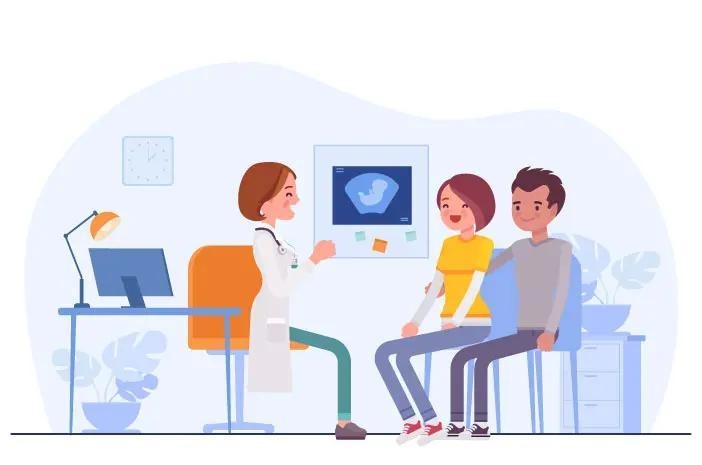
Your Fertility Journey Starts with Awareness
Fertility is the natural ability to conceive and have a healthy pregnancy. While many couples conceive naturally, some may need a little extra support. Understanding your reproductive health is the first step toward parenthood.

What Affects Fertility?
Several factors can influence fertility:
- Age
- Hormonal balance
- Healthy body weight
- Nutrition and exercise
- Stress levels
- Medical conditions such as PCOS, thyroid disorders, or endometriosis
When Should You Consult a Fertility Specialist?
Seek medical advice if you have:
- Difficulty conceiving after 12 months of regular unprotected intercourse (or 6 months if the woman is over 35 years)
- Irregular or absent menstrual cycles
- Recurrent pregnancy loss
- Known fertility or hormonal disorders
- Male fertility concerns
Early evaluation often leads to better outcomes.
Improving Your Fertility

Simple lifestyle changes can improve fertility:
- Eat a nutritious, balanced diet
- Exercise regularly
- Maintain a healthy weight
- Avoid smoking and excessive alcohol
- Get adequate sleep
- Reduce stress
- Take folic acid and other supplements only as advised by your doctor
Fertility Treatment Options
Modern fertility care offers several effective treatments, including:
- Ovulation induction
- Intrauterine Insemination (IUI)
- In Vitro Fertilization (IVF)
- Intracytoplasmic Sperm Injection (ICSI)
- Fertility preservation
Your fertility specialist will recommend the treatment best suited to your needs.
There Is Hope

Infertility is a medical condition—not a personal failure. Advances in reproductive medicine have helped millions of couples achieve their dream of parenthood.
The journey to parenthood is unique for every couple. With timely medical guidance, a healthy lifestyle, and the right treatment, many fertility challenges can be successfully overcome. Don’t hesitate to seek expert advice—early care can make all the difference.