
Women’s Health
-

Intimate Hygiene: Simple Everyday Habits Every Woman Should Know
Read article: Intimate Hygiene: Simple Everyday Habits Every Woman Should KnowIntimate care is not about perfumes or complicated routines. It is about understanding your body. Women often receive plenty of advice about skincare, haircare, and general hygiene. But when it comes to intimate hygiene, many important questions remain unanswered. Should you use soap? Is vaginal discharge normal? What causes itching? How often should you wash your intimate area? Understanding your body’s natural protective mechanisms can help you make informed choices. Understanding Your Intimate Area The female intimate area includes the vulva and vagina. Although these terms are sometimes used interchangeably, they refer to different parts of the body. The vulva…
-

Bacterial Vaginosis (BV): Biology, Signs & Care
Read article: Bacterial Vaginosis (BV): Biology, Signs & CareVaginal Microbiome & Gynecological Health A comprehensive patient guide to vaginal ecology, dysbiosis, accurate diagnosis, treatment, and prevention. 1. The Vaginal Ecosystem: A Dynamic Microbiome A healthy vaginal environment is dominated by beneficial bacteria, primarily species of the genus Lactobacillus (such as Lactobacillus crispatus, L. jensenii, and L. gasseri). These protective microbes metabolize glycogen sloughed from vaginal epithelial cells into lactic acid, maintaining an acidic vaginal pH between 3.8 and 4.5. This acidic mantle acts as a natural antimicrobial defense barrier against opportunistic pathogens. Bacterial Vaginosis (BV) is the single most common cause of vaginal symptoms in women of reproductive…
-
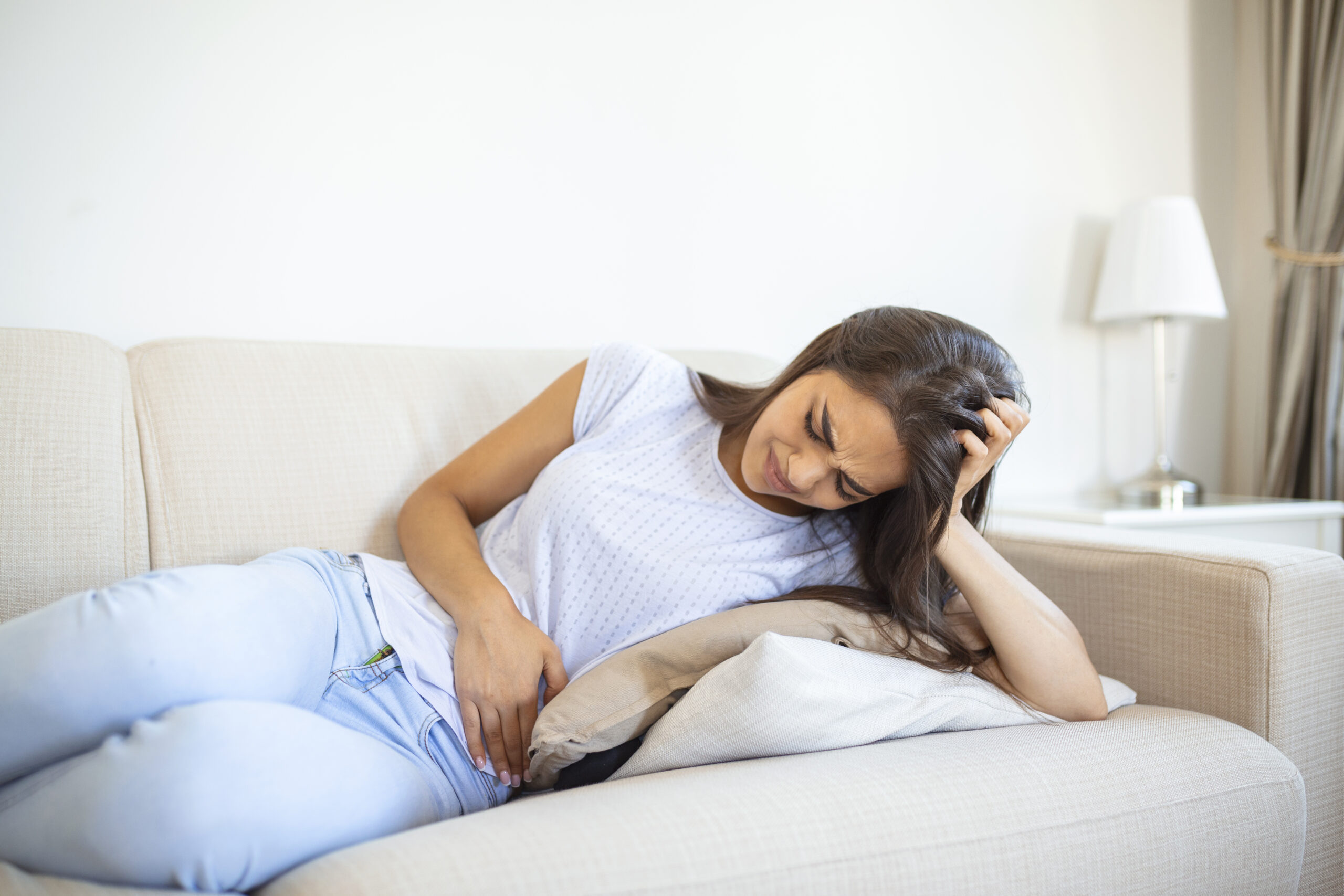
Understanding PMS vs PMDD: What’s the Difference?
Read article: Understanding PMS vs PMDD: What’s the Difference?Introduction Many women experience physical, emotional, and behavioral changes in the days leading up to their menstrual period. These symptoms are often grouped under the term Premenstrual Syndrome (PMS) and are considered a normal part of the menstrual cycle for many. However, for some women, these symptoms become so intense that they interfere with work, relationships, and daily life. This more severe condition is known as Premenstrual Dysphoric Disorder (PMDD). Although PMS and PMDD share several symptoms, they are not the same. PMDD is a recognized medical condition that requires appropriate evaluation and treatment. Understanding the differences between PMS and…
-

A GUIDE TO SAFE SEXUAL HEALTH PRACTICES FOR WOMEN
Read article: A GUIDE TO SAFE SEXUAL HEALTH PRACTICES FOR WOMENA GUIDE TO SAFE SEXUAL HEALTH PRACTICES FOR WOMEN Taking charge of your sexual health is one of the most empowering things you can do for your overall well-being. It’s not just about avoiding unwanted outcomes; it’s about pleasure, confidence, communication, and respect for your own body. Whether you are in a long-term relationship, navigating the dating world, or exploring your own sexuality, here is a grounded, judgment-free guide to safe sexual health practices every woman should know. 1. The Power of Protection (Beyond Pregnancy) When we think of safe sex, birth control is often the first thing that comes…
-

BIOFILMS IN RECURRENT URINARY TRACT INFECTIONS
Read article: BIOFILMS IN RECURRENT URINARY TRACT INFECTIONSBIOFILMS IN RECURRENT URINARY TRACT INFECTIONS Urinary tract infections (UTIs) are relatively common and affects persons of all ages.Frequency of UTIs is higher in women than in men. the assigning factors could be the shorter urethra, or the lower region of the urethra contaminated with pathogens starting from the vagina and the rectum. Like men, Women do not to empty their bladders frequently and completely.It is estimated that 40%of women will have an UTI at some time in their lives. Bacterial biofilms play crucial role inUTIs andisaccountable for persistence infections triggering relapses. “Biofilm is a mode of microbial growth where…
-

Sensible Supplements: Multivitamins Do You Actually Need
Read article: Sensible Supplements: Multivitamins Do You Actually NeedThe importance of a healthy diet cannot be overemphasized. It helps increase our overall wellness and support our very busy lives. But sometimes, a diet is just not enough to keep us going. Factors such as stress or sleep disorders like insomnia, or issues with our digestive system , may affect our digestive health and also make it difficult for our bodies to absorb all the nutrients that we need from our food. One of the best ways to manage this and get the energy boost that we so desperately need is to turn to multivitamins. Multivitamins are dietary supplements…
-

Preventing Urinary Tract Infections During Summer
Read article: Preventing Urinary Tract Infections During SummerHot summer months can increase the risk of urinary tract infections. This is the time of year when infections increase. The urinary system also known as the Urinary tract involves the kidneys, ureter, urinary bladder, and urethra. Any infection in this tract is termed as Urinary Tract Infection (UTI). It can be triggered by bacteria, fungi, and viruses. Most infections commonly involve the lower urinary tract mainly in the bladder and the urethra. UTI occur in both men and women, but the incidence rate in women is higher when compared to men. Nearly half of the women population experience at…
-

Rationale of Using Cranberry for UTI
Read article: Rationale of Using Cranberry for UTIUrinary tract infections (UTIs) are very common, and it has been estimated that 60% of women experience UTI at least once at some stage of life. UTI is a major public health concern because of its high prevalence. It is more common in females compared males because shorter urethras in women allow bacteria to ascend into the bladder. Nearly half of the women population experience at least 1 episode of UTI in their lifetime, with 20-40% of them exhibiting recurrent episodes. UTIs are caused by Gram negative bacteria Escherichia coli (E. coli) account for most cases. Initial stage of an…
-

Endometritis – An Overview
Read article: Endometritis – An OverviewEndometrium is penetrated by a diverse range of immunocompetent cells, including macrophages, natural killer cells, and T lymphocyte subsets, under normal settings. Throughout the menstrual cycle, the composition and density of endometrial immune capable cells changes. The tissue remodelling required to achieve endometrial receptivity is thought to be aided by such timed fluctuations in local leukocyte subpopulations. Endometritis is an irritation or inflammation of the uterine lining (the endometrium). It usually happens after a woman has birth, although it can also happen to non-pregnant women. Inflammation of the endometrium can also affect the myometrium and, in rare occasions, the parametrium1.…
-

Easily Neglected Facts About Vaginal Health
Read article: Easily Neglected Facts About Vaginal HealthAs you grow older, your body changes. The vagina, in particular, goes through significant changes in appearance, odor, elasticity, pH level, and sensation. It is very important that you become well-informed about vaginal health and hygiene, as well as the “facts that could help improve your self-confidence. Knowing about your vagina is one step closer to having a healthy vagina which also translates to your general health. Vaginal health has a huge impact on a woman’s overall health, so you should pay good attention to it every day. There are several factors that can affect your vaginal health, whether or…