
pcod
-
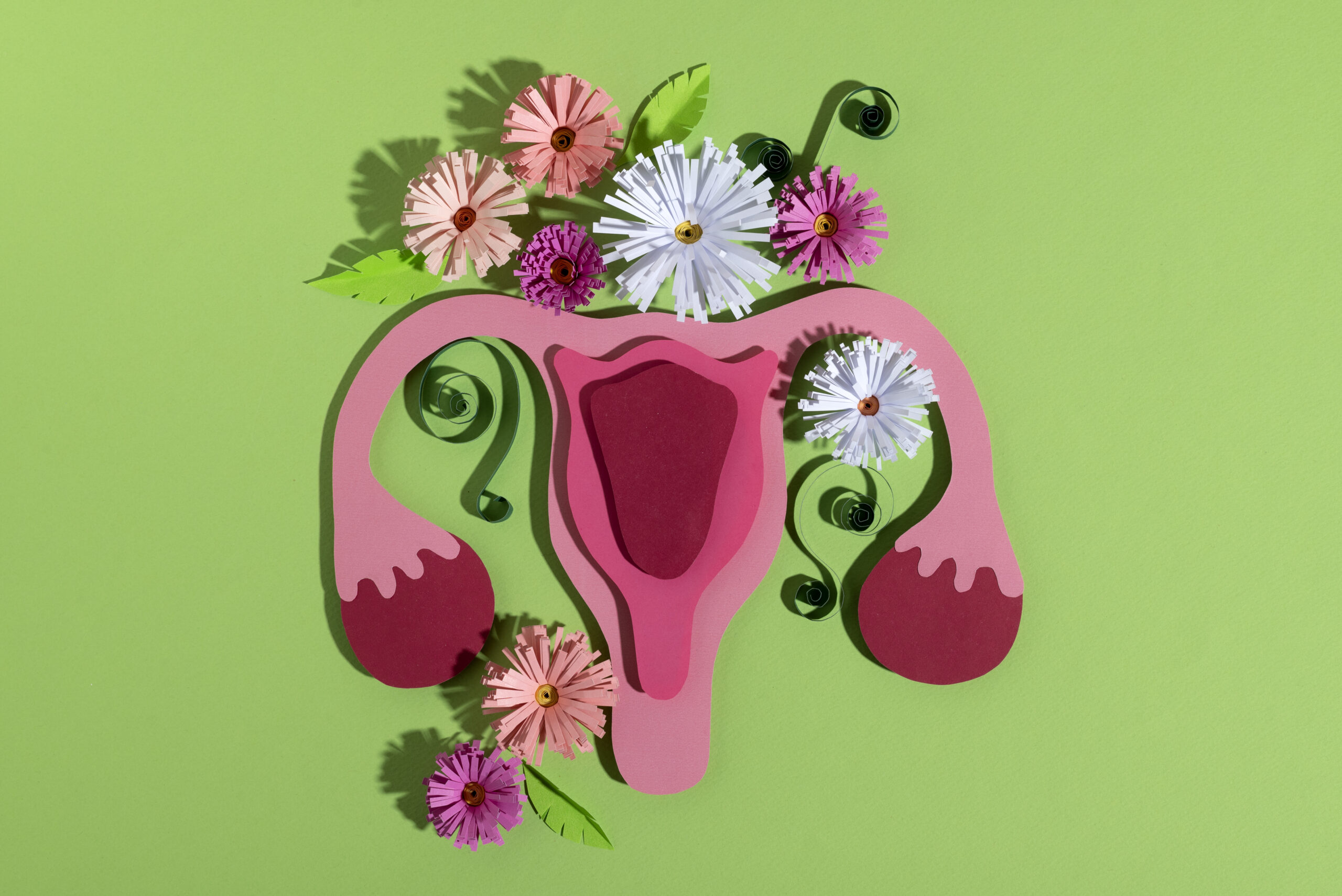
PCOD: Understanding Your Body and Taking Charge of Your Health
Read article: PCOD: Understanding Your Body and Taking Charge of Your HealthIrregular periods, acne, or unexplained weight gain? Your hormones could be trying to tell you something. Have you ever wondered why your periods are irregular, why you suddenly experience acne, or why losing weight seems more difficult than usual? For many women, these changes may be linked to a common hormonal condition known as Polycystic Ovarian Disease (PCOD), often discussed alongside Polycystic Ovary Syndrome (PCOS). Although these terms are frequently used interchangeably, PCOS is the more clearly defined medical diagnosis. The good news? With the right medical guidance and healthy lifestyle habits, women with PCOS can lead healthy, fulfilling lives.…
-
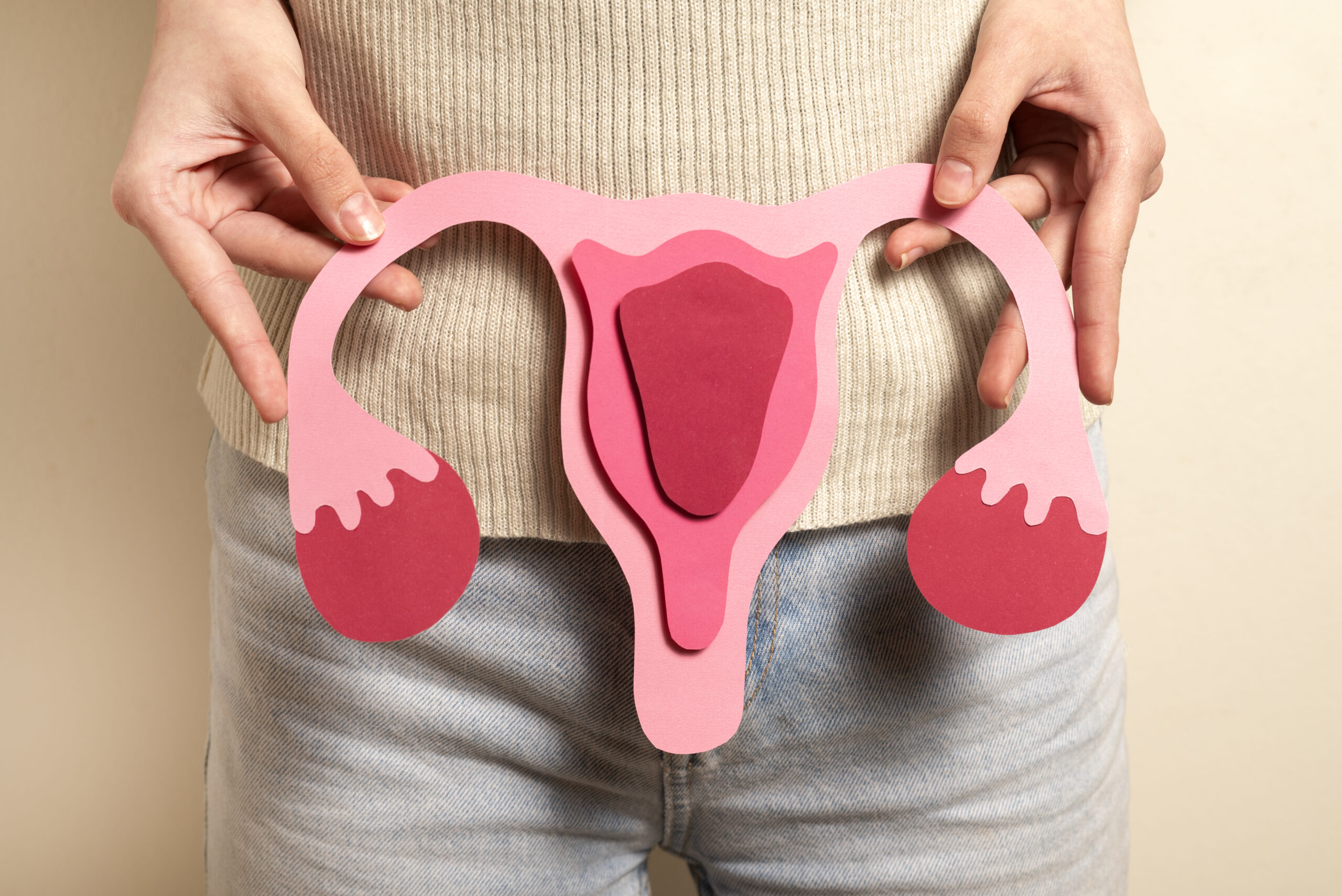
Navigating PCOD: Clinical Indications & Management
Read article: Navigating PCOD: Clinical Indications & ManagementPolycystic Ovarian Disease (PCOD) PCOD affects up to 10–15% of women of reproductive age, yet it remains widely misunderstood. Receiving a PCOD diagnosis often leaves women feeling overwhelmed by conflicting advice on fertility, diet, and hormones. Understanding what happens inside your body is the first step toward taking control of your health. What is PCOD? PCOD occurs when a woman’s ovaries produce immature or partially mature eggs in large numbers, which over time turn into small cysts on the outer edges of the ovaries. This condition is primarily driven by hormone imbalances, particularly elevated levels of male hormones (androgens) and…
-
Can Inositols Help Improve Ovulation in Women with PCOS?
Read article: Can Inositols Help Improve Ovulation in Women with PCOS?Can Inositols Help Improve Ovulation in Women with PCOS? By a Consultant Obstetrician, Gynecologist & Fertility Specialist Polycystic Ovary Syndrome (PCOS) is one of the most common endocrine disorders affecting women of reproductive age, impacting an estimated 8–13% of women worldwide. It is a complex condition characterized by hormonal imbalance, irregular menstrual cycles, and difficulties with ovulation, making it one of the leading causes of female infertility. While the symptoms of PCOS vary from woman to woman, many experience irregular or absent periods, acne, excess facial or body hair, weight gain, and challenges with conception. Over the past decade, growing…
-

PCOD: Understanding Your Body, Taking Control of Your Health
Read article: PCOD: Understanding Your Body, Taking Control of Your HealthWhat is PCOD? Polycystic Ovarian Disease (PCOD) is a common hormonal condition that affects women during their reproductive years. In PCOD, the ovaries may not release eggs regularly, leading to hormonal imbalance and irregular menstrual cycles. Common Symptoms What Causes PCOD? PCOD can develop due to a combination of factors such as: How Can PCOD Be Managed? Although PCOD cannot always be permanently cured, it can be effectively managed through: Can Women with PCOD Become Pregnant? Yes. Many women with PCOD conceive naturally or with appropriate medical treatment. Early diagnosis and regular follow-up with a gynecologist improve the chances of…
-

N-acetylcysteine – A Novel adjuvant in induction of ovulation in PCOS women
Read article: N-acetylcysteine – A Novel adjuvant in induction of ovulation in PCOS womenPolycystic Ovarian Syndrome (PCOS) is a complex heterogenous disease, its main features include excess androgen levels, ovulatory dysfunction, and polycystic ovaries, and is known to be one of the most common endocrine disorders. About 5–10% of all women are infected with PCOS. Clomiphene citrate (CC) is used as the first-line medication for induction of ovulation in anovulatory women and has variable success rates. however, its success rate is the lowest in women with PCOS and insulin resistance. There is evidence that insulin sensitivity reduces hyperandrogenism and hyperinsulinemia and is particularly effective in ovulation induction among patients with PCOS treatment with…
-
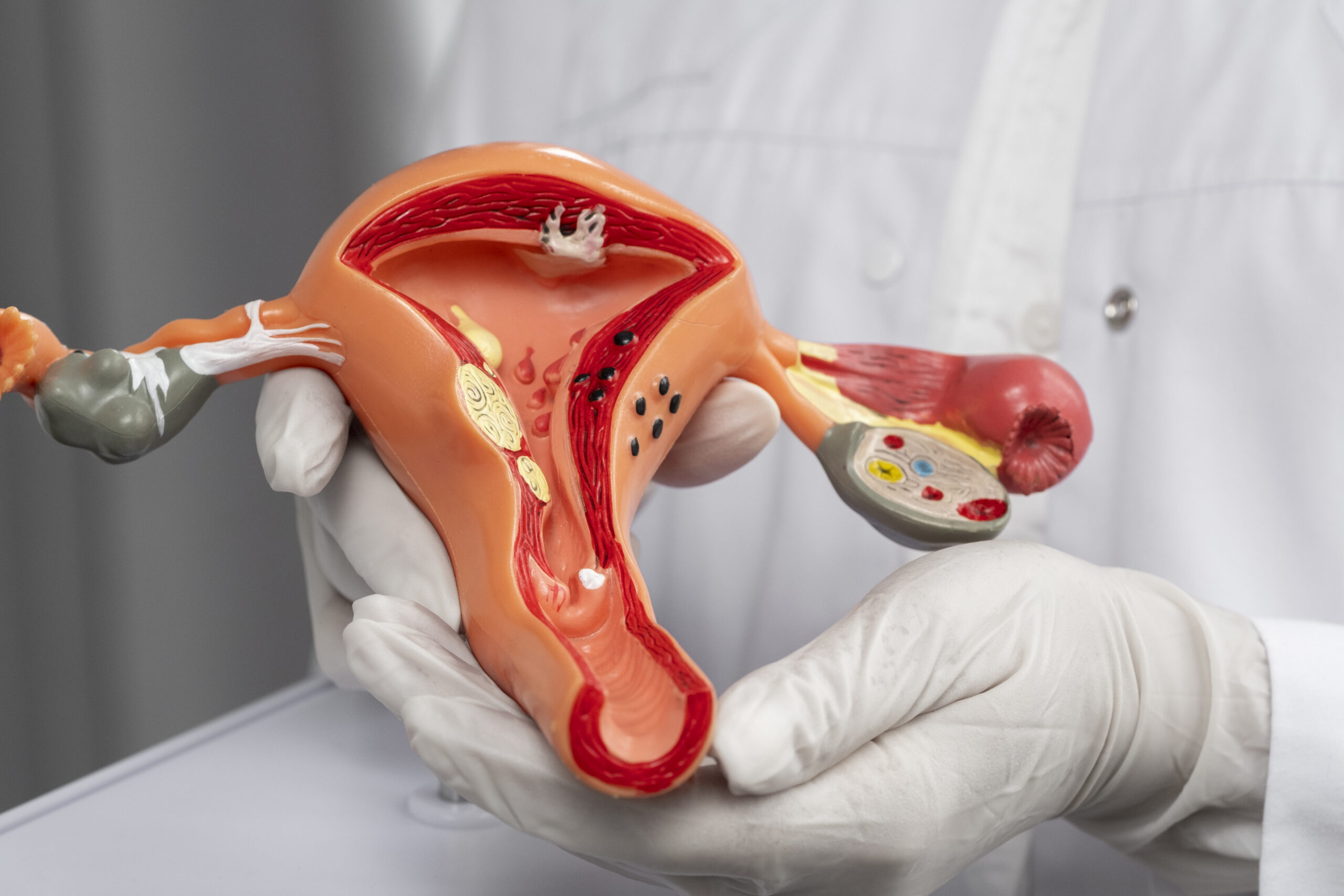
Ovarian diathermy in PCOS: An alternative
Read article: Ovarian diathermy in PCOS: An alternativeOvarian diathermy in PCOS: An alternative Introduction PCOS is the most common endocrine disorder in women. Despite its negative effect on reproduction, many women with PCOS can conceive spontaneously. The etiology is still unclear although complex genetic condition influenced by environmental factors. Frequently associated with insulin resistance, obesity, infertility obstetrical complication and long-term effects (type 2 diabetes and cardiovascular disease). 1 PCOS – phenotypes2 The Rotterdam and AE-PCOS Society criteria recognizes unique clinical phenotypes: Diagnostic criteria2 Treatment: Laparoscopic ovarian drilling (LOD)3 Thessaloniki, Greece – 2008 consensus on LOD RCOG Ovarian electrocautery should be considered for selected anovulatory patients, especially those…
-

Enhancing Fertility in PCOS with Dr. Mala Raj
Read article: Enhancing Fertility in PCOS with Dr. Mala RajSession on Enhancing Fertility in PCOS with Dr. Mala Raj Classification of PCOSThe attempts to classify PCOS are numerous, starting with the National Institute of Health (NIH) criteria in 1990. In 2006, the diagnosis of PCOS was suggested based on clinical biochemical hyperandrogenism in combination with other factors. In 2012, the NIH proposed the phenotype approach of PCOS. The NIH consensus panel classified the PCOS based on four phenotype categories. When it comes to infertility, the PCOS affects women at different rates. It starts from ovulation to fertilization, implantation, fetal viability, and then a healthy live-born child. Factors affecting fertility…
-

PCOS vs PCOD: What’s the Difference?
Read article: PCOS vs PCOD: What’s the Difference?PCOS vs PCOD: Understanding Two Common Yet Distinct Hormonal Disorders In clinical practice, one of the most common misconceptions surrounding women’s hormonal health is the assumption that PCOS and PCOD are the same condition. The terms are often used interchangeably, sometimes even during informal medical discussions, leading to considerable confusion among patients. While both disorders involve the ovaries and share certain overlapping symptoms such as irregular menstrual cycles, acne, weight changes, and fertility-related concerns, they are not identical entities. Their pathophysiology, metabolic impact, severity, and long-term health implications differ significantly. Understanding these differences is essential not only for accurate diagnosis,…
-

Managing PCOS based on the underlying pathophysiology
Read article: Managing PCOS based on the underlying pathophysiologyWhat PCOS is?Polycystic ovary syndrome is also known as PCOS, a hormonal disorder causing the enlargement of ovaries with small cysts around the outer edges. PCOS is a syndrome and not a disease and is not caused by any agent outside the body. It is a metabolic problem not caused by the ovaries but is peculiar to the ovaries. It involves the interaction of genetic traits with one or more other factors such as epigenetic, congenital or environmental factors. An interaction between at least two of these factors is required before the disorder manifests. The genetic combination of this disorder…
-

Diet for PCOS
Read article: Diet for PCOSPolycystic ovarian syndrome (PCOS) is a complex endocrine disorder which is not fully understood. Most patients with PCOS are obese & insulin resistant. Obesity, particularly abdominal obesity, is mediated by the development of insulin resistance. It is closely linked to the development of PCOS & its clinical features, particularly menstrual irregularities & increased androgen levels. Lifestyle modifications particularly focusing on diet & exercise are considered the preferred first line treatment for PCOS management. Several studies have shown that weight loss of 5-10% of weight in PCO patients via energy restriction can reduce circulating insulin levels & hyperandrogenism. Traditional Indian diets:…