
Polycystic Ovarian Disease (PCOD)
PCOD affects up to 10–15% of women of reproductive age, yet it remains widely misunderstood. Receiving a PCOD diagnosis often leaves women feeling overwhelmed by conflicting advice on fertility, diet, and hormones. Understanding what happens inside your body is the first step toward taking control of your health.
What is PCOD?
PCOD occurs when a woman’s ovaries produce immature or partially mature eggs in large numbers, which over time turn into small cysts on the outer edges of the ovaries. This condition is primarily driven by hormone imbalances, particularly elevated levels of male hormones (androgens) and insulin resistance.
Unlike Polycystic Ovary Syndrome (PCOS)—which is a more severe metabolic and endocrine disorder—PCOD can often be managed effectively through targeted lifestyle modifications and medical support under a gynecologist’s care.
Key Clinical Indications
Women experiencing PCOD present with a range of symptoms that affect physical health, skin, mood, and reproductive wellness. Recognizing these signs early allows for faster diagnosis and targeted intervention.
1. Menstrual Irregularities
- Oligomenorrhea: Infrequent periods, often occurring more than 35 days apart.
- Amenorrhea: Absence of menstruation for three or more consecutive months.
- Anovulatory Cycles: Periods that occur without the release of a mature egg, leading to light spotting or unpredictable heavy bleeding.
2. Hyperandrogenism (Elevated Male Hormones)
- Hirsutism: Excessive hair growth on the face, chest, abdomen, or back.
- Adult Acne: Persistent cystic acne, especially along the jawline and chin.
- Androgenetic Alopecia: Hair thinning or hair loss at the crown of the head.
3. Metabolic & Weight Symptoms
- Insulin Resistance: Difficulty processing glucose effectively, leading to frequent sugar cravings and fatigue after meals.
- Weight Gain: Rapid weight gain or difficulty losing weight, particularly around the central abdominal area.
- Acanthosis Nigricans: Darkened, velvety patches of skin around the neck, armpits, or groin area caused by high insulin levels.
How PCOD is Diagnosed
Doctors typically rely on a combination of clinical evaluation and diagnostic testing:
- Pelvic Ultrasound (USG): Visualizes the ovaries to check for an enlarged volume or a “string-of-pearls” appearance formed by undeveloped follicles.
- Blood Tests: Measure levels of free and total testosterone, luteinizing hormone (LH), follicle-stimulating hormone (FSH), thyroid function, fasting glucose, and fasting insulin.
- Medical History Review: Documents cycle patterns, weight changes, and family history of diabetes or hormonal disorders
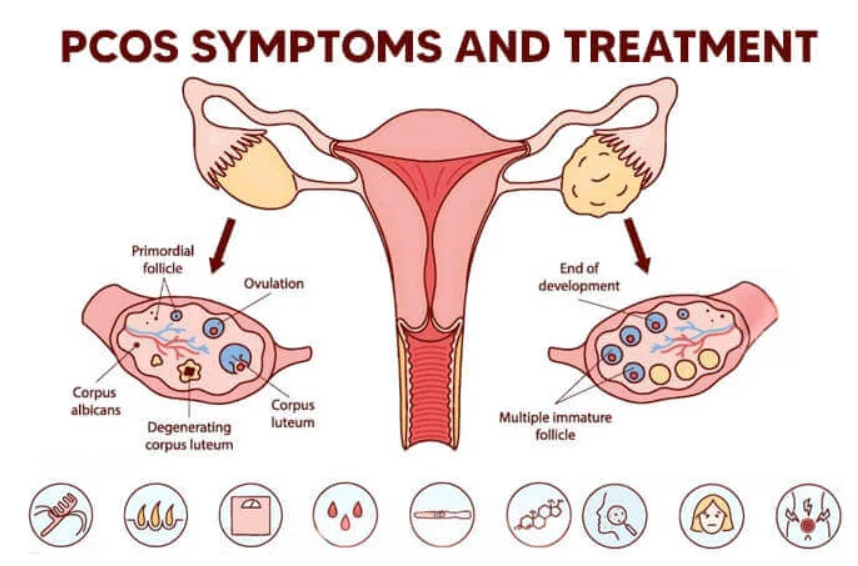
Evidence-Based Management Strategies
Effective PCOD management targets both immediate symptoms and long-term metabolic health. A comprehensive treatment plan combines lifestyle changes, nutrition, stress management, and clinical therapies.
Lifestyle & Dietary Interventions
| Pillar | Recommendation | Target Goal |
| Dietary Pattern | Low Glycemic Index (GI) foods, rich in fiber, lean proteins, and healthy fats | Prevents sharp insulin spikes and supports weight management |
| Physical Activity | Mix of resistance training and moderate aerobic exercise (150 min/week) | Improves insulin sensitivity and muscle glucose uptake |
| Sleep Hygiene | 7–8 hours of uninterrupted sleep daily | Reduces cortisol (stress hormone) and balances ghrelin/leptin |
| Stress Reduction | Mindfulness, yoga, or deep breathing exercises | Lowers adrenal androgen output and prevents metabolic strain |
Clinical & Medical Options
When lifestyle changes need additional support, physicians may prescribe targeted therapies based on individual goals:
- Combined Oral Contraceptive Pills (COCPs): Regulate the menstrual cycle, lower androgen levels, and clear hormonal acne.
- Insulin Sensitizers (e.g., Metformin): Improve how the body responds to insulin, aiding weight management and restoring regular ovulation.
- Anti-Androgens: Block male hormone production to reduce hirsutism and acne.
- Ovulation Induction (e.g., Letrozole or Clomiphene): Prescribed for women trying to conceive to stimulate healthy egg release.
Frequently Asked Questions (FAQs)
What is the main difference between PCOD and PCOS?
PCOD is primarily a localized hormonal condition where ovaries contain immature eggs. It is common and often responds very well to diet and lifestyle changes. PCOS is a broader metabolic disorder involving serious hormonal imbalances, insulin resistance, and a higher risk for conditions like type 2 diabetes and cardiovascular disease if left unmanaged.
Can women with PCOD get pregnant naturally?
Yes. Many women with PCOD conceive naturally. Because PCOD can cause irregular ovulation, tracking your cycle or using ovulation predictor kits can help identify fertile windows. If ovulation remains irregular, mild medical treatments under a doctor’s guidance can easily induce ovulation.
Is PCOD completely curable?
PCOD is not considered “cured” in a traditional sense, but it can be completely managed and kept in remission. Through consistent dietary control, routine physical activity, and stress management, many women eliminate their symptoms entirely and maintain normal menstrual cycles.
Does losing weight help manage PCOD symptoms?
Yes. Losing even 5–10% of total body weight can significantly improve insulin sensitivity, lower androgen levels, and restore regular menstrual cycles in women who are overweight or obese.
Which foods should be avoided in a PCOD-friendly diet?
It is best to limit ultra-processed foods, refined carbohydrates (white bread, pastries), sugary beverages, fried snacks, and excessive trans fats. These cause rapid blood sugar spikes that elevate insulin levels and worsen hormonal imbalances.
Taking Control of Your Journey
PCOD is a manageable condition, and it does not have to compromise your quality of life. By understanding the clinical signs and establishing a supportive routine around nutrition, movement, and medical care, you can rebalance your hormones and thrive. Work closely with your gynecologist and an endocrinologist to tailor a treatment plan specific to your body’s needs.