
Every Woman’s Journey Is Unique

Menopause is a natural stage in every woman’s life that marks the end of her menstrual cycles. While it brings physical and emotional changes, it is not a disease—it is simply a new phase of life.
With the right knowledge, healthy lifestyle choices, and medical guidance, women can navigate menopause confidently and continue to enjoy an active and fulfilling life.
What Is Menopause?
Menopause is diagnosed when a woman has not had a menstrual period for 12 consecutive months. It usually occurs between the ages of 45 and 55 years, although the timing varies from woman to woman.
It happens because the ovaries gradually produce less estrogen and progesterone, leading to hormonal changes throughout the body.
Common Symptom
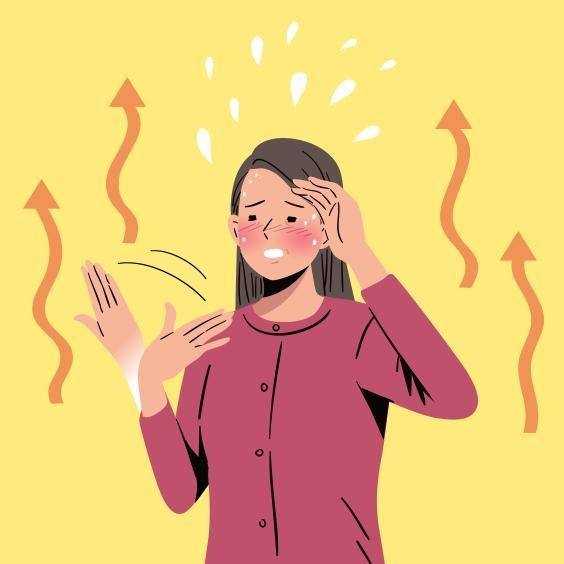
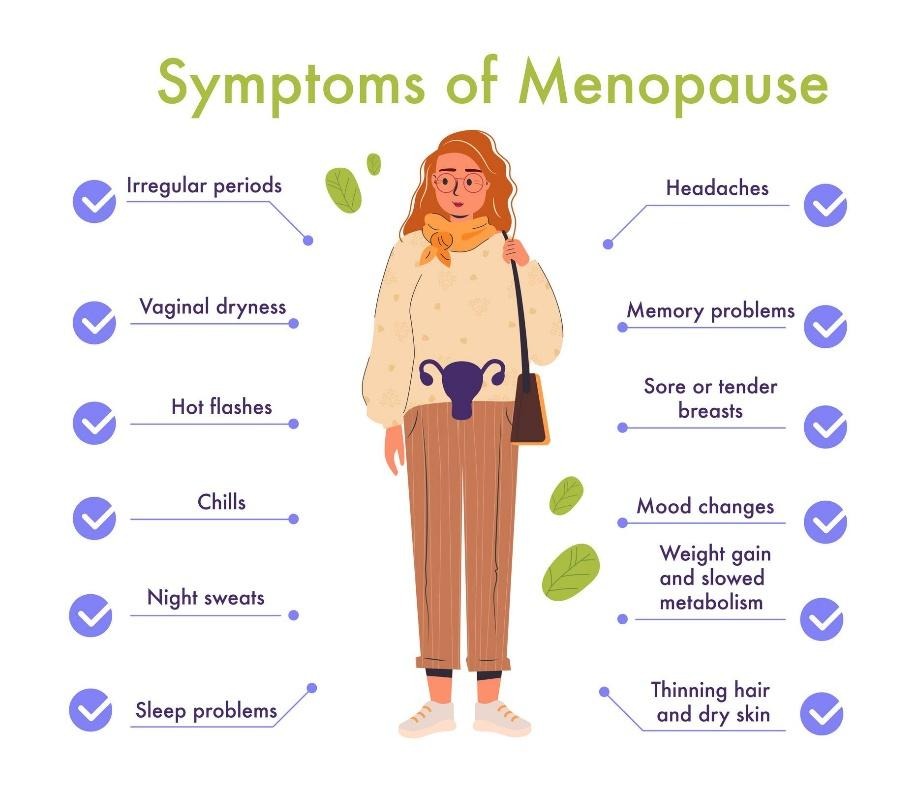
Every woman experiences menopause differently. Common symptoms include:
- Hot flashes and night sweats
- Irregular periods
- Mood swings or irritability
- Difficulty sleeping
- Vaginal dryness
- Reduced sexual desire
- Joint or muscle aches
- Weight gain
- Memory or concentration problems
These symptoms may last for several months or even a few years.
Why Does Menopause Happen?
Menopause is a natural part of aging. As hormone levels decline, ovulation stops and menstruation eventually ends.
Certain medical treatments, surgery involving the ovaries, or cancer therapies may also cause early menopause.
Staying Healthy During Menopause

Simple lifestyle changes can help ease symptoms and improve overall well-being:
- Eat a balanced diet rich in calcium and Vitamin D.
- Exercise regularly to maintain bone and heart health.
- Stay physically active and maintain a healthy weight.
- Practice stress-management techniques such as yoga or meditation.
- Get 7–8 hours of quality sleep.
- Avoid smoking and limit alcohol intake.
Why Regular Check-ups Matter
Regular health check-ups become increasingly important after menopause. Your doctor may recommend:
- Bone density screening
- Blood pressure monitoring
- Blood sugar testing
- Cholesterol screening
- Breast examinations and mammograms
- Cervical cancer screening as advised
Early detection helps prevent many age-related health problems
Treatment Option
Not every woman requires treatment, but if symptoms significantly affect daily life, your doctor may recommend:
- Hormone Replacement Therapy (HRT), when appropriate
- Non-hormonal medications
- Vaginal moisturizers or lubricants
- Calcium and Vitamin D supplementation
- Lifestyle modifications
Treatment is individualized based on your medical history and symptoms.
When Should You See a Doctor?
Consult your healthcare provider if you experience:
- Very heavy or unusual bleeding
- Bleeding after menopause
- Severe hot flashes affecting daily life
- Persistent sleep disturbances
- Mood changes or depression
- Pain during intercourse
- Concerns about bone health
Never ignore unusual bleeding after menopause—it should always be evaluated by a healthcare professional.
Take-Home Message
Menopause is not the end of good health—it is the beginning of a new chapter. By adopting healthy habits, staying physically active, eating a balanced diet, and attending regular health check-ups, women can continue to thrive d\uring and after menopause.
Take charge of your health, embrace the changes with confidence, and remember that every stage of life deserves care, strength, and wellness.